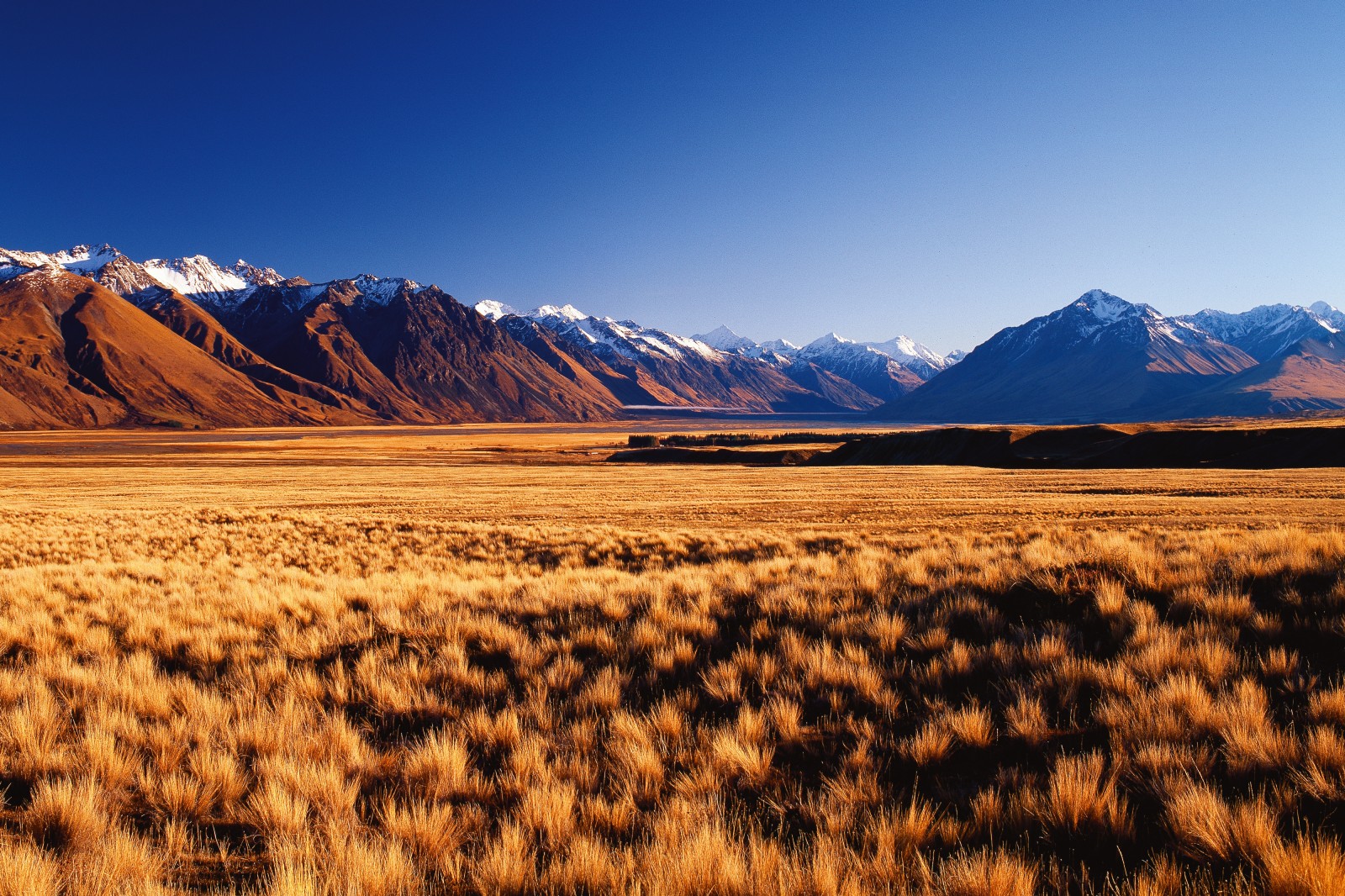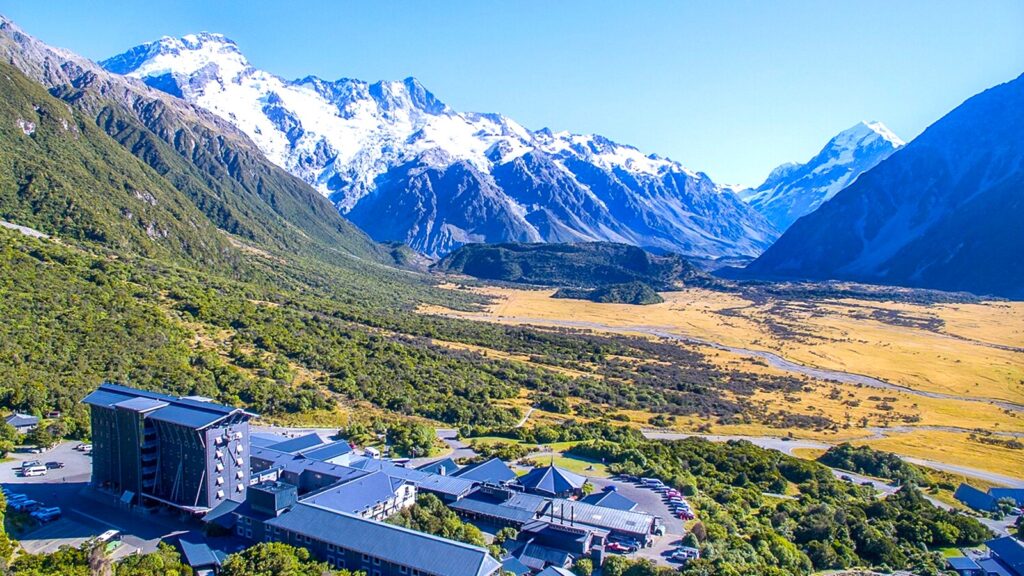
Perhaps there are no two places in New Zealand that evoke the romantic notion of man alone with the elements than the MacKenzie Country, situated pretty much in the centre of the South Island, and that huge inland region to the south, over the Kakanui Range, known simply as The Maniototo. Innumerable tales abound of hardships and tragedies over the generations since the pioneers first settled in these areas. From the moment you enter the vast Mackenzie Basin from the north a distinct change in the landscape greets you. The often blue skies highlight a backdrop of snow cloaked mountains that seem to rise from nowhere. The golden tussock grasslands that carpet the district appear, in the sunlight, to sit on the hill sides like velvet and the turquoise glacial lakes glisten and beckon. Over the mountains and southward, the plains of The Maniototo form part of the Central Otago area that comes closer than any in NZ to a continental climate. This means low rainfall, sparce vegetation and the coldest winters and warmest summers in the country. And the red tussock that prompted Māori to give the area the name than means ‘plans of blood’ replaces the golden colours of further north. Though Māori had lived in both these districts intermittently over the centuries, they were virtually empty of human habitation when, in the 1850’s, both James MacKenzie (whose name is lent to the district) and J.T. Thompson, further south – Scotsmen both – became the first Europeans to venture so far inland from the east coast. In MacKenzie’s case it was to hide the sheep he’d stolen with the assistance of his trusted sheep dog, Friday. For Thompson, it was to survey that area and the unique place names in the district such as Eweburn, Wedderburn and Kyeburn reflect his Scottish farming heritage. Bay Tours invite you to join us for a 7 Day tour, in Spring, exploring these most fascinating of southern districts. Here’s a snapshot of the planned itinerary;
Day 1: We take late morning flights to, first Wellington then on to Christchurch before heading to Rangiatea Station in the Canterbury foothills where owners, Sara and Blair Gallagher, will show us around their beautiful property. Tonight, we stay in Ashburton.
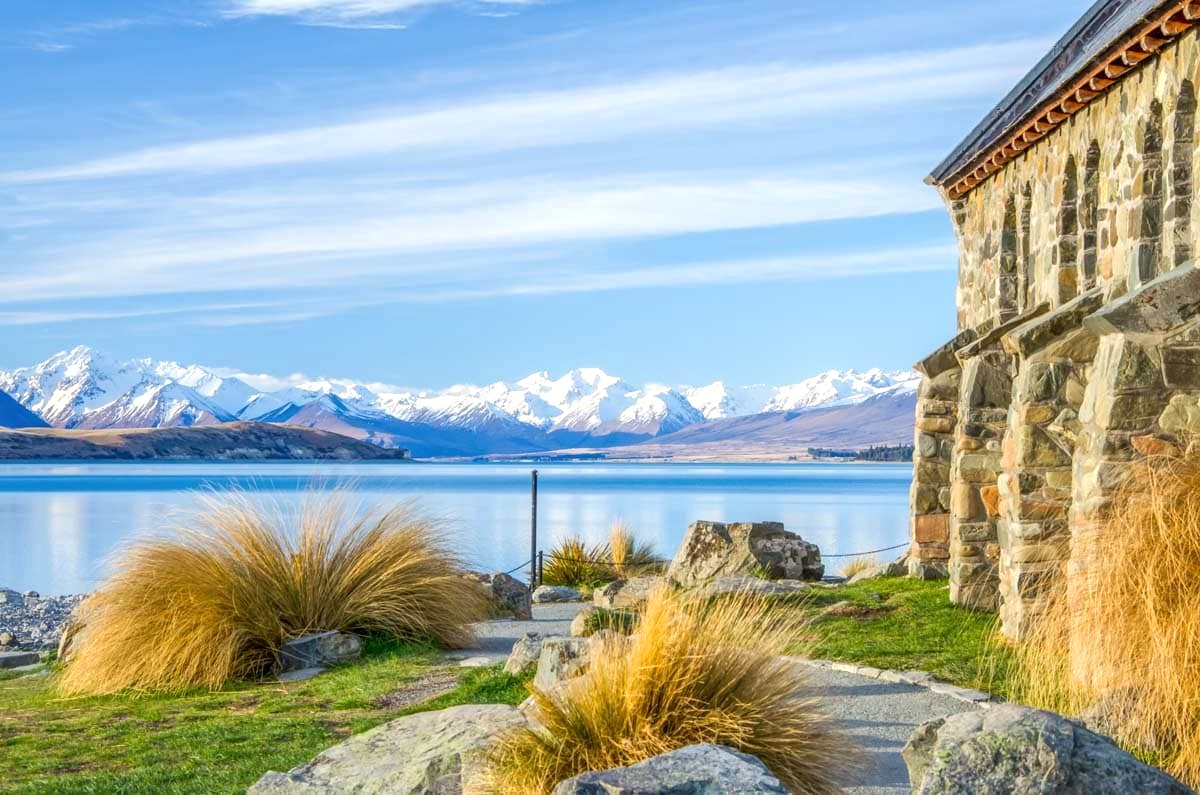
Day 2: Today we head into the MacKenzie Basin, but not without a stop first at one of NZ’s finest artisan food producers, Barkers of Geraldine. We’ll enjoy morning tea at this superb maker of preserves before we carry on for lunch at Fairlie and then over Burke’s Pass as the first vistas of the MacKenzie country come into view. At Lake Tekapo we’ll check out the famous Church of The Good Shepherd that overlooks the lake and enjoy a leisurely soak at Tekapo Springs, with views across the lake, before checking in to our accommodation Pepper’s Bluewater Resort.
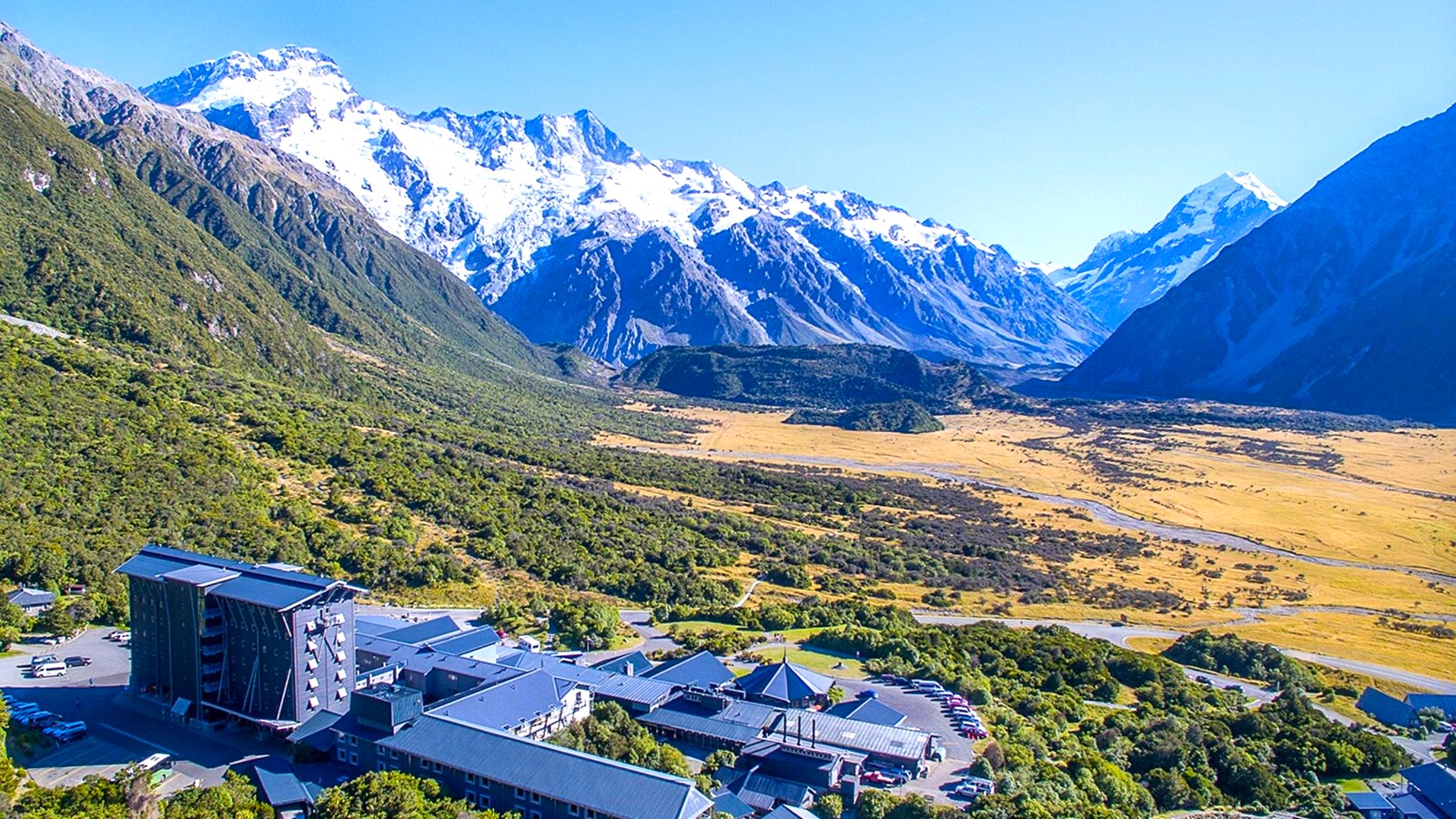
Day 3: No visit to the MacKenzie Basin is complete without experiencing the views across the district from atop Mt John. It’s recognised as one of the finest places in the world for observing the night sky. Nonetheless the daytime 360 degree views across the lakes, tussock land and mountains will take your breath away. From here we head south towards the turquoise waters of Lake Pukaki and to Braemar Station, a Perendale sheep farm on the lake’s eastern shore, for lunch with owners Hamish and Julia MacKenzie. After lunch we follow the shoreline around Lake Pukaki and up into Aoraki/Mt Cook National Park and the legendary hotel, The Hermitage, our home for the next 2 nights.
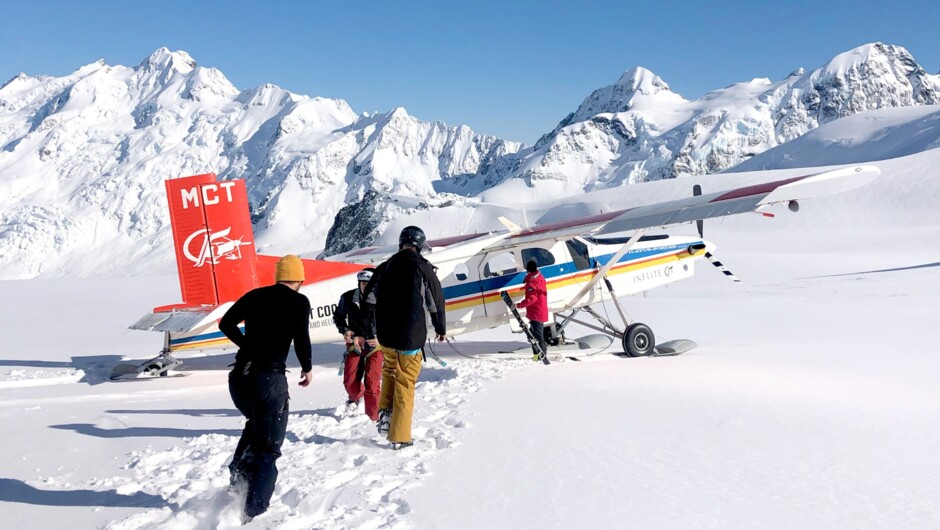
Day 4: Today is a very special day! For today we will join Mt Cook Ski Planes for an amazing scenic flight across the Southern Alps culminating with a landing on the Tasman Glacier. This is an experience of our most acclaimed alpine region like no other. Flights will be staggered through the day, so the rest of your time is FREE to explore the extensive Hermitage complex. Perhaps check out the Sir Edmund Hillary Museum or the Planetarium, walk the Hooker Track or simply enjoy the alpine views from one of the many vantage points inside the hotel itself.
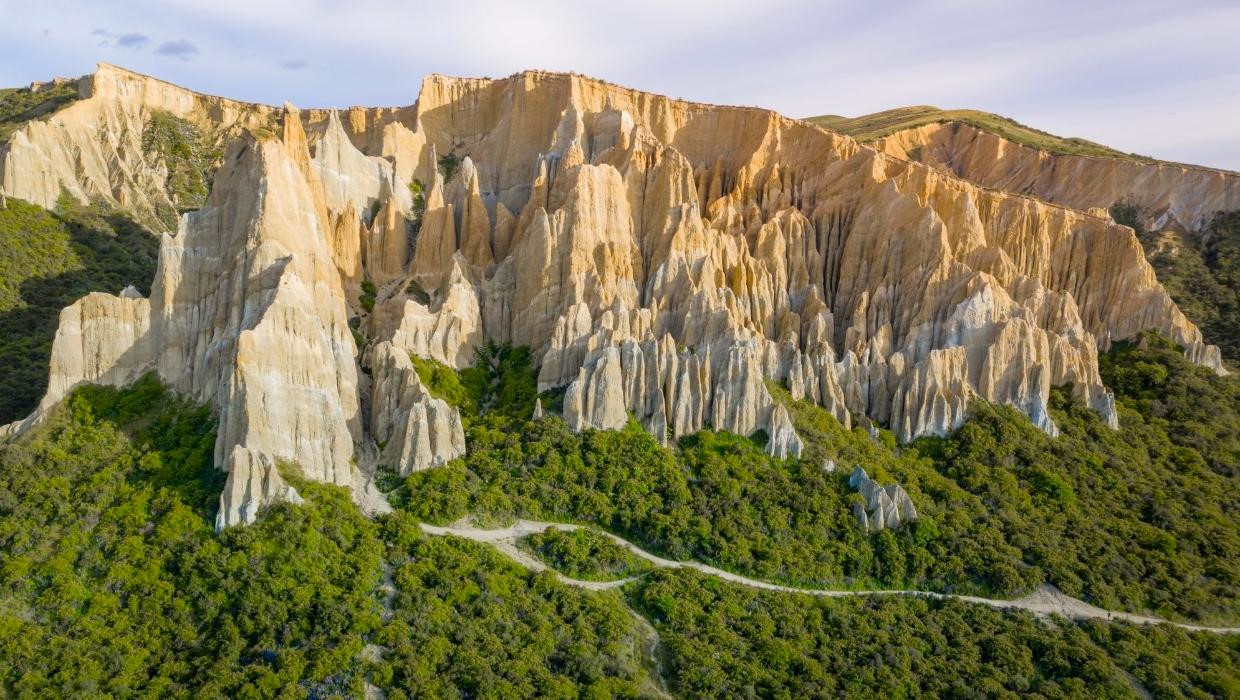
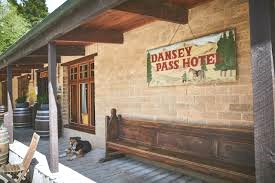
Day 5: We say farewell to The Hermitage this morning and make our way back into the MacKenzie Basin to continue southward. We’ll visit the famous ‘Clay Cliffs’ of Omarama and walk through these ‘other worldly’ pinnacles and ridges that tower over us. Then, after lunch, we make our way down the Waitaki River Valley via the impressive Benmore and Aviemore dams. After a brief stop in iconic Kurow, we head through Duntroon and over the mountainous Dansey’s Pass, an old stock route between the MacKenzie/Wataki districts and The Maniototo. We’ll have dinner at the beautifully restored Dansey’s Pass Hotel before descending into the town of Ranfurly where we’ll stay tonight.
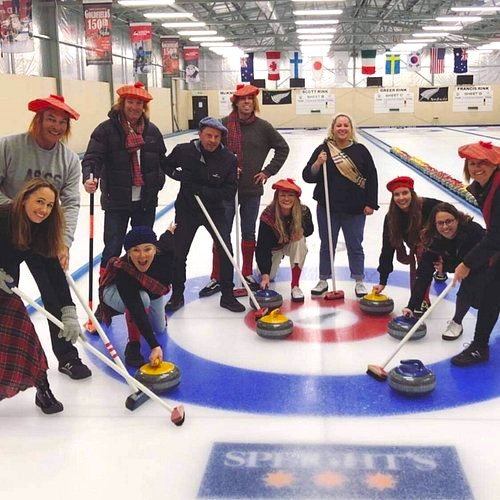
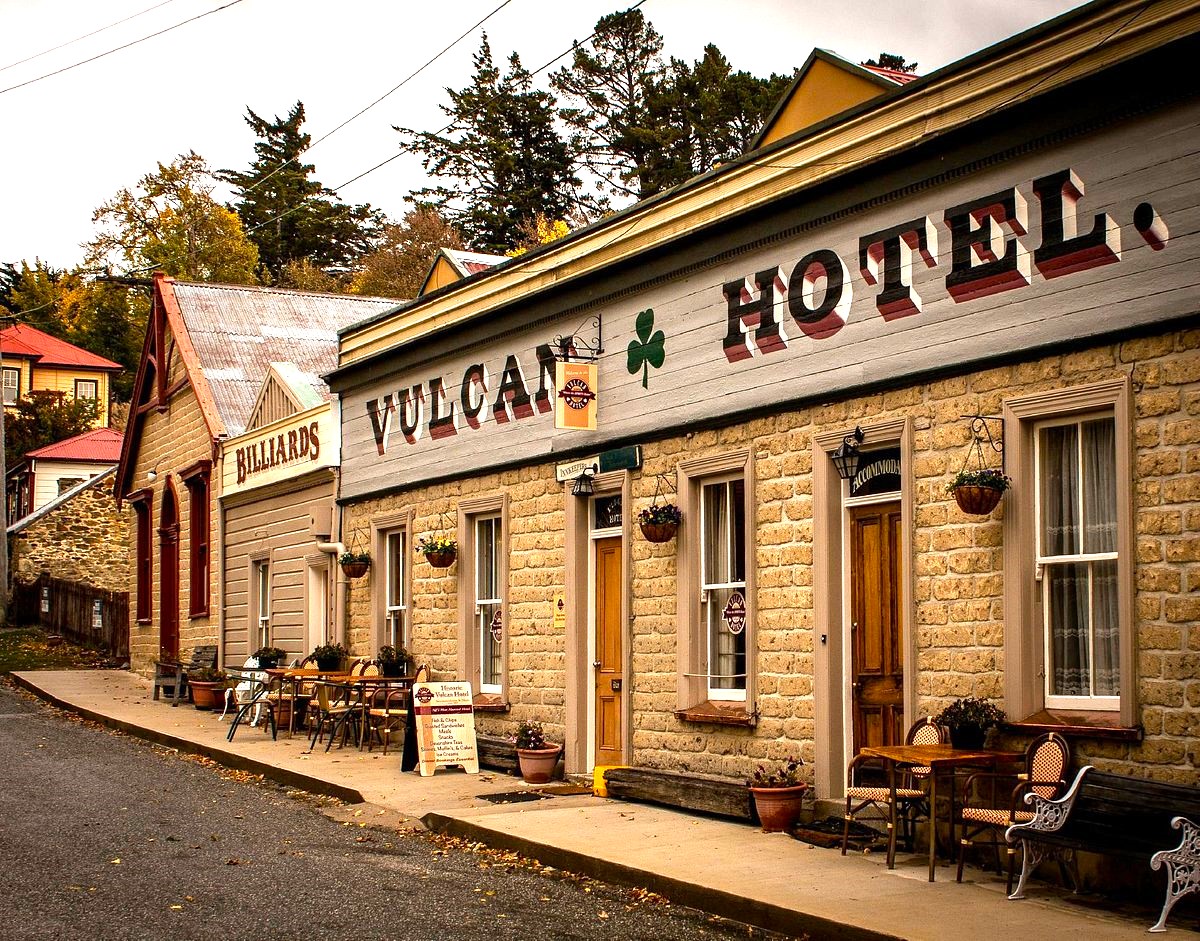
Day 6: Today we explore The Maniototo, firstly heading out through Weddeburn and Otuehura through the Ida Valley stopping at historic Hayes Engineering, a beautifully restored complex of buildings where, for decades, the Hayes family literally made anything that any of the locals needed. From here it’s on through settlements like Omakau and Lauder to the old gold mining town of St Bathans where we’ll have lunch in the supposedly haunted Vulcan Hotel. After a chance to wander this fascinating village overlooking the curious Blue Lake it’s on to Naseby to try our hand at the most Maniototo of winter sports – curling. Our last night together is back in Ranfurly.
Day 7: Our last day begins with a scenic drive through the southern Maniototo and Taieri districts. Places with such evocative names as Kyeburn & Hyde, following the Rock & Pillar Range, through Middlemarch and on towards Mosgiel and our destination – Dunedin Airport. From here we fly home, via Wellington, to Hawke’s Bay.
These magical regions have captivated locals and visitors alike with their big skies, rolling tussock and pristine lakes, for generations. Countless artists and writers have been inspired by their stark grandeur and yet so much of them remain largely unchanged today. Join us as we explore and celebrate these most iconic of New Zealand environments, the way only Kiwis can.